 Reviews


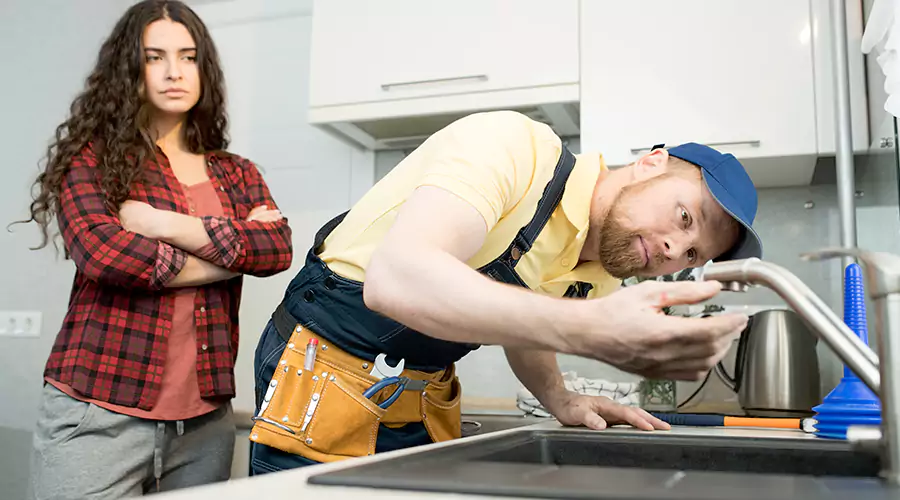
DIY vs. Professional Plumbing: When Is It Safe to Do It Yourself?
The internet is full of do it yourself plumbing videos that make every repair look simple. A person on screen swaps a faucet in five minutes. Another unclogs a drain with a plastic zip tie. It is tempting to grab your tools and try to fix every plumbing problem yourself. After all, hiring a plumber costs money. But some DIY plumbing projects end up costing far more than a professional would have charged. A small mistake can turn into a flood, a gas leak, or a sewage backup. Knowing the difference between a safe DIY job and a job that requires a licensed plumber protects your home and your wallet. This guide breaks down common plumbing tasks by risk level and gives you clear rules for when to pick up your wrench and when to pick up the phone.
The Hidden Costs of DIY Plumbing Mistakes
Before deciding to tackle a plumbing job yourself, understand what is at stake. A failed electrical project might trip a breaker. A failed carpentry project might leave a crooked shelf. But a failed plumbing project can release hundreds of gallons of water into your home, which is why professional residential plumbing service is often the safer choice. Water damage is expensive and destructive.
Real costs of a DIY plumbing mistake:
- Water damage to floors, walls, and ceilings: thousands of dollars
- Mold remediation: several thousand dollars
- Structural repairs to rotted wood: variable but often high
- Emergency plumber call out fees: double the normal rate
- Increased homeowners insurance premiums after a claim
Many homeowners attempt a repair, make it worse, and then call a plumber to fix the original problem plus the new damage. The total bill ends up higher than if they had called a professional first. Use this simple rule: if the cost of failure is high, call a professional.
Safe DIY Plumbing Jobs for Homeowners
Many plumbing tasks are well within the ability of a careful homeowner. These jobs are low risk because they do not involve opening walls, modifying supply lines, or working with gas. Even if you make a mistake, the damage is usually minor and contained.
Replacing a Faucet
Replacing a kitchen or bathroom faucet is a classic DIY project. The work happens above the sink or inside the cabinet below. The worst case scenario is a small leak that you notice immediately.
What you need to know:
- How to shut off the angle stop valves under the sink
- How to disconnect supply lines and drain lines
- How to apply plumber's tape to threaded connections
When to call a pro:
- If the angle stop valves are old, corroded, or will not shut off completely. Trying to replace a faucet without being able to stop the water is dangerous.
Unclogging a Drain
Most drain clogs are simple and safe to clear yourself. A plunger, a drain snake, or a baking soda and vinegar solution works for the majority of blockages.
What you need to know:
- Do not use chemical drain cleaners. They damage pipes and create hazardous conditions.
- Plunge correctly. Seal the overflow opening on sinks before plunging.
- Snake carefully. Do not force the cable if it gets stuck.
When to call a pro:
- If the clog returns within days, if multiple drains are clogged at once, or if you hear gurgling from other fixtures. These signs point to a main line clog that requires professional equipment.
Replacing a Showerhead
A showerhead replacement is one of the simplest plumbing jobs. It requires no tools in many cases. The connection is above the tub or shower, so any leak is immediately visible.
What you need to know:
- Wrap plumber's tape around the threads of the shower arm before attaching the new head.
- Hand tighten only. Over tightening can crack the shower arm or the new head.
- Test for leaks before finishing.
When to call a pro:
- If the shower arm is loose inside the wall or if the threads are damaged. These problems require opening the wall.
Installing a Toilet Fill Valve or Flapper
Inside your toilet tank, the fill valve and flapper are rubber and plastic parts that wear out over time. Replacing them is a low risk DIY job. The only water involved is inside the tank, and the shutoff valve is right next to the toilet.
What you need to know:
- Shut off the toilet supply valve and flush to empty the tank.
- Take a photo of the inside of the tank before removing anything.
- Buy the correct replacement parts for your toilet brand and model.
When to call a pro:
- If the shutoff valve will not close or if the tank has cracks. A cracked tank needs full toilet replacement.
Plumbing Jobs That Require a Licensed Professional
Some plumbing tasks carry high risk. Mistakes can cause flooding, property damage, health hazards, or code violations. These jobs require a licensed plumber who carries insurance and knows local building codes.
Any Work on Main Water Lines
The main water line runs from your property line or meter into your home. Damaging this line can flood your yard, undermine your foundation, or leave your entire home without water for days.
Why you need a pro:
- Main lines are buried deep and require excavation.
- Repairs require specialized fittings and tools.
- Breaking a main line can send dirt and debris into your home supply.
- Local permits are usually required.
Gas Line Plumbing
Gas water heaters, gas furnaces, and gas ranges all have gas supply lines. Working on gas lines is illegal without a license in most jurisdictions. Mistakes cause gas leaks, which can lead to explosions or carbon monoxide poisoning.
Why you need a pro:
- Gas leaks are invisible and deadly.
- Every gas connection must be tested with a manometer or leak detection solution.
- Improper work can void your homeowners insurance.
- Many areas require permits and inspections for gas work.
Sewer Line Repairs
The sewer line carries waste from your home to the municipal system or septic tank. Damage to this line releases raw sewage into your yard or basement. Sewage contains bacteria, viruses, and parasites that cause serious illness.
Why you need a pro:
- Sewer work requires special equipment like augers, cameras, and excavators.
- Exposure to sewage is a biohazard.
- Sewer line repairs often require permits and inspections.
- Incorrect slope or connection leads to recurring clogs and backups.
Water Heater Installation or Replacement
Replacing a water heater involves gas lines, water lines, electrical connections, and venting systems. A mistake can cause flooding, fire, explosion, or carbon monoxide poisoning.
Why you need a pro:
- Gas water heaters require proper combustion air and venting.
- Electric water heaters require correct wiring and grounding.
- Water heaters must be strapped for earthquake safety in many areas.
- Permits and inspections are almost always required.
- A failed DIY installation can void the manufacturer warranty.
Moving or Adding Plumbing Fixtures
Adding a new sink, toilet, shower, or laundry hookup requires modifying the supply lines and drain lines inside your walls and floors. This work changes the slope of drain pipes, ties into existing vents, and must meet complex building codes.
Why you need a pro:
- Drain pipes must slope correctly, typically one quarter inch per foot.
- Every fixture needs proper venting to prevent siphoning of trap seals.
- Incorrect work leads to slow drains, gurgling, and sewage smells.
- Permits and inspections are required for most additions.
The Grey Area: Jobs That Depend on Your Skill Level
Some plumbing tasks fall into a grey area. A skilled homeowner with the right tools can do them safely. A beginner should call a professional.
Replacing a Toilet
Removing an old toilet and installing a new one is not technically difficult. But the job has consequences if done wrong. A poor seal between the toilet and the flange allows sewer gas to enter your home or water to leak onto the subfloor.
Safe for DIY if:
- You understand how to set a wax ring correctly.
- You have a helper to lift the toilet.
- The flange is in good condition.
- You are comfortable tightening bolts without cracking porcelain.
Call a pro if:
- The flange is damaged or rotted.
- The floor around the toilet is soft or uneven.
- You have never done this job before and cannot afford water damage.
Replacing Angle Stop Valves
Angle stop valves are the small shutoff valves under sinks and behind toilets. Replacing one requires shutting off the main water supply and soldering or using compression fittings.
Safe for DIY if:
- You have soldered copper pipe before or you are using push fit fittings.
- You can access the valve easily without cutting into a wall.
- You have a pipe cutter and deburring tool.
Call a pro if:
- The valve is in a tight space with no room to work.
- The pipe is corroded or damaged.
- You have never soldered or used compression fittings.
The Three Question Test for Any DIY Plumbing Job
Before you start any plumbing project, ask yourself these three questions. If you answer no to any of them, call a professional.
Question 1: Can I safely shut off the water before starting?
If the shutoff valve for the fixture is missing, broken, or inaccessible, do not proceed. You need a reliable way to stop the water flow in an emergency.
Question 2: Do I own the correct tools for the job?
Using a crescent wrench as a pipe wrench or pliers as a basin wrench leads to damaged fittings and rounded nuts. Use the right tool for the job.
Question 3: Do I know what to do if something goes wrong?
If a connection starts leaking or a pipe breaks during your repair, do you know how to respond? If the answer is to panic and call an emergency plumber, call that plumber before you start.
Final Thoughts
DIY plumbing saves money when you stick to low risk tasks like replacing faucets, showerheads, toilet internals, and clearing simple clogs. Professional plumbers are worth every dollar for high risk jobs involving main water lines, gas lines, sewer lines, water heaters, and moving fixtures. The safest approach is to be honest about your skill level and the consequences of a mistake. A failed DIY plumbing job does not just waste your time. It can flood your home, poison your air, or contaminate your yard. When in doubt, call a licensed professional. The cost of a service call is small compared to the cost of a disaster.